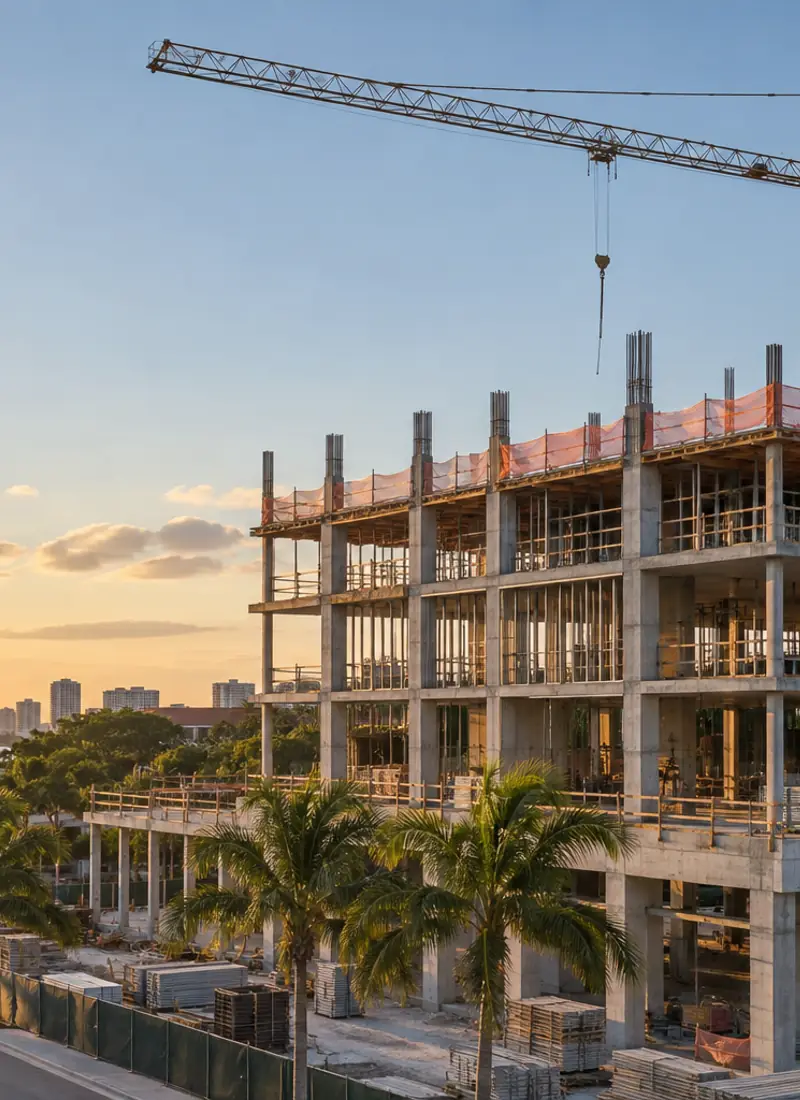
Commercial Builders and Contractors, Vetted and Matched to Your Project
We match property owners, developers and business tenants with licensed commercial builders and contractors for new construction, tenant build-outs and renovations, and it costs you nothing to compare their bids.
- License and insurance checkedWe confirm state license status and insurance before any builder is introduced.
- Matched on size and bondingBuilders are matched to your project type, square footage and contract value.
- Bids you can compare line by lineSame scope for every bidder, so exclusions and allowances are easy to spot.
Get Matched With Commercial Builders in 3 Simple Steps
Finding a commercial contractor usually means weeks of calls, unreturned emails and bids that cannot be compared. We do the first round of screening for you.
Tell us about your project
Project type, location, size and timeline. It takes about a minute.
We shortlist licensed builders
We match builders whose license, project history and bonding fit your job.
Compare bids and build
Meet the builders, compare scope and price, and hire the one you trust.
Why Owners and Developers Use Our Commercial Contractor Matching
Licensed and insured, checked first
Every builder we introduce holds an active contractor license for your state and current liability and workers' compensation coverage.
Matched by project type
A restaurant build-out and a tilt-up warehouse need different builders. We match on the work you are actually doing.
No cost to project owners
Using the service, requesting bids and talking to an advisor is free, with no obligation to hire.
Your details stay private
Your contact details go only to the builders matched to your project, never to list brokers.
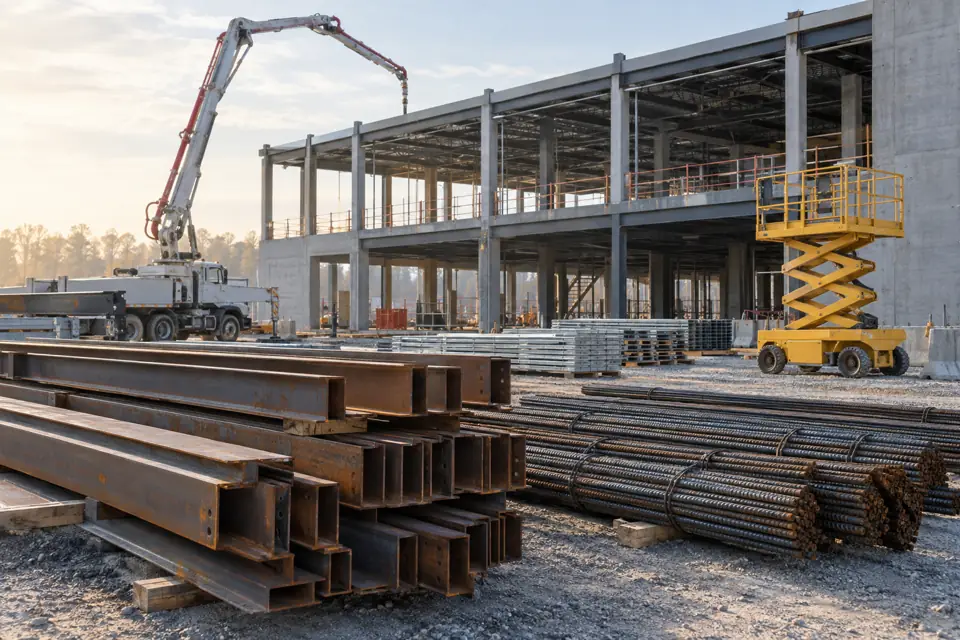
Commercial Construction Services From Ground-Up Builds to Interior Build-Outs
Whether you are building a new medical office, converting a retail box into a restaurant or renovating floors of an occupied office building, the hard part is finding a commercial general contractor with the right license, the right experience and room in their schedule.
We keep a network of independent commercial construction companies, design-build firms and specialty contractors, and we match each project with the builders best suited to it. See every commercial construction service we match.
Compare Commercial Builders – FreeCommercial Contractors for Every Type of Project
Start with the kind of work you need. Each guide explains scope, typical cost drivers and what to ask the builders who bid.
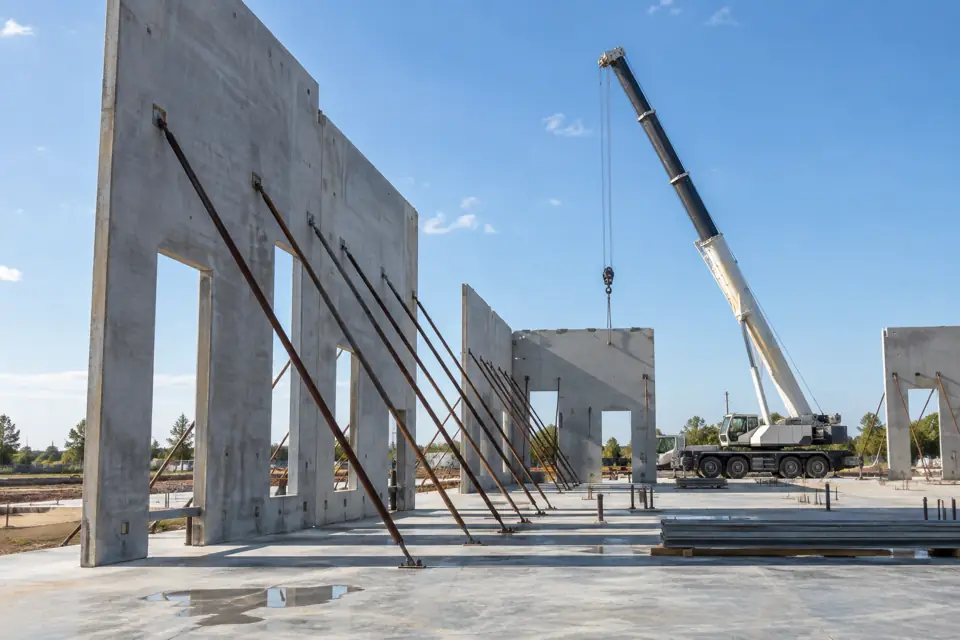
New Commercial Construction
Ground-up offices, retail, industrial and mixed-use buildings, from site work to certificate of occupancy.
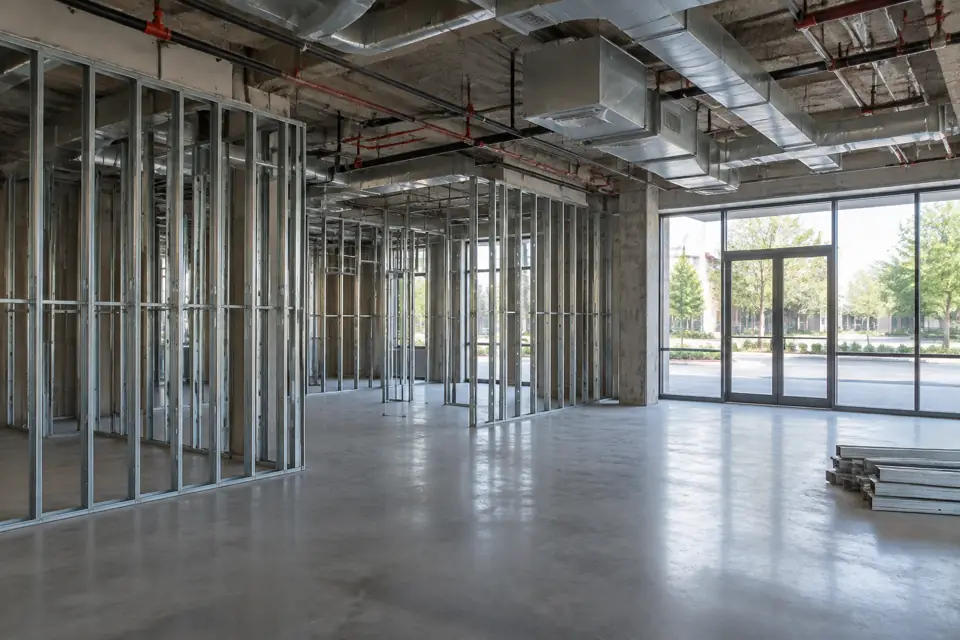
Tenant Improvements & Build-Outs
Office, retail and restaurant build-outs in shell or second-generation space, sized to your TI allowance.
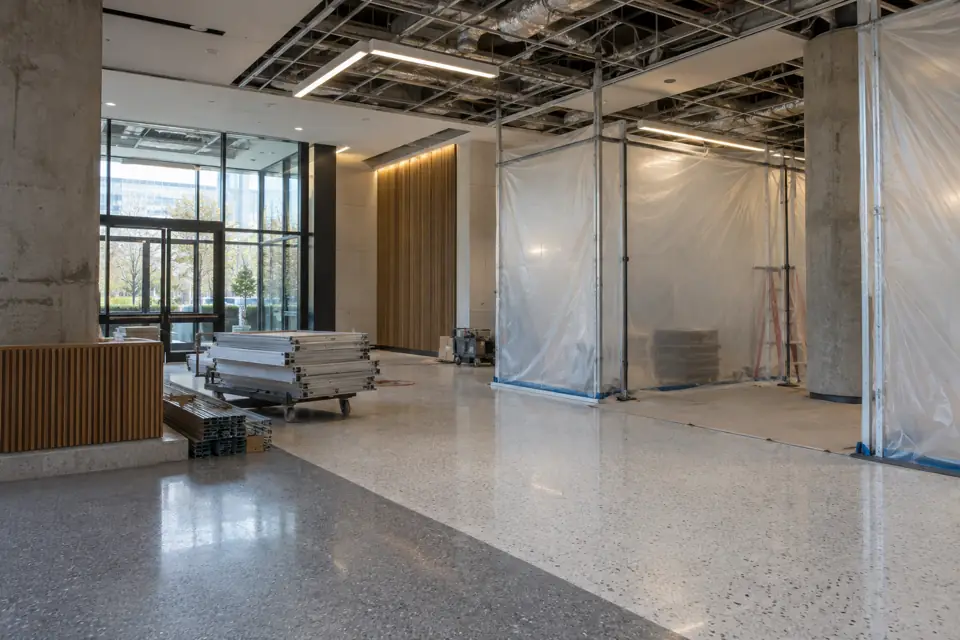
Commercial Renovation
Remodels, re-roofs, facade upgrades and phased work in buildings that stay open to tenants and customers.
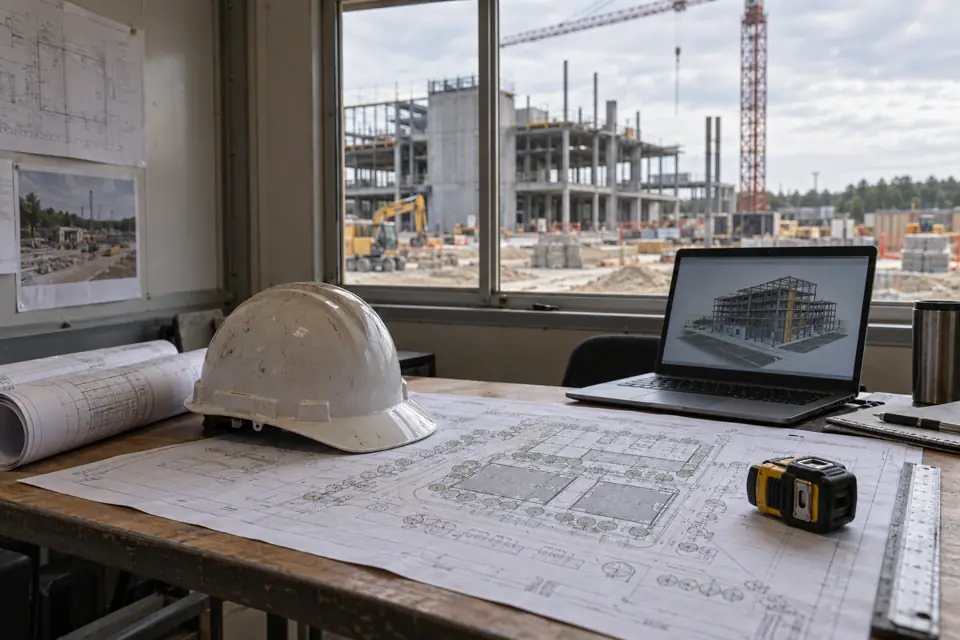
Design-Build Contractors
One contract for design and construction, so pricing and drawings develop together.
Specialty Commercial Builders for Complex Sectors
Some buildings carry rules a general builder rarely sees. For these sectors we only introduce contractors who can show finished projects of the same type.
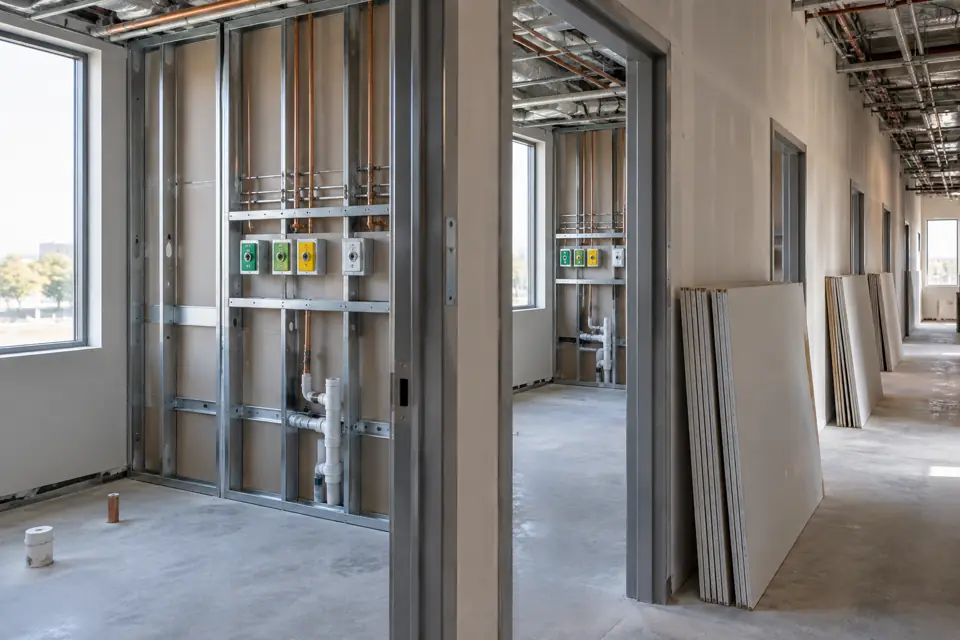
Medical & Healthcare
Medical offices, dental, urgent care and outpatient centers built to healthcare code.
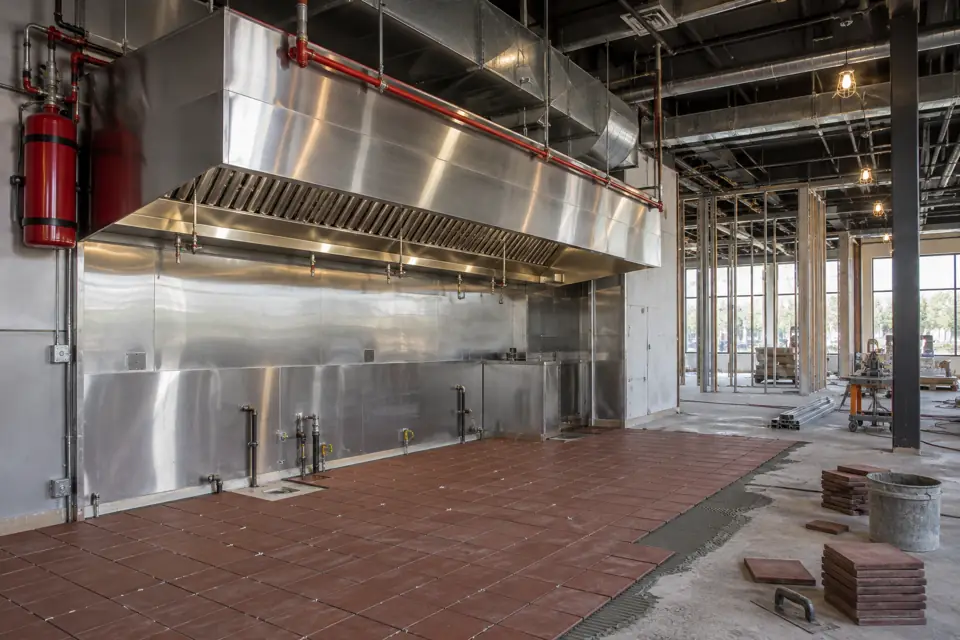
Restaurant & Hospitality
Kitchen hoods, grease ducts, fire suppression and health department sign-off planned from day one.
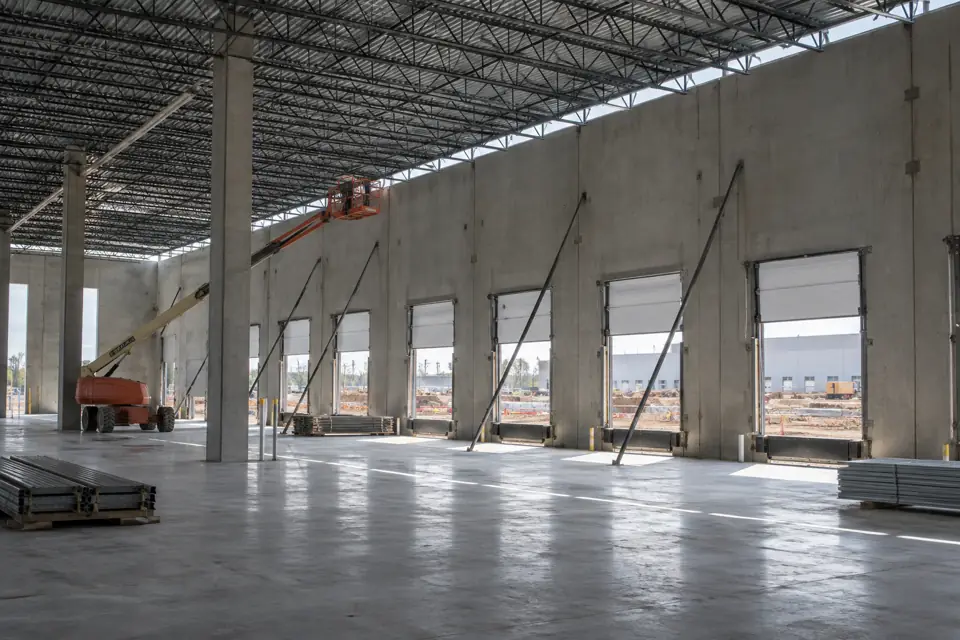
Warehouse & Industrial
Tilt-up, pre-cast and pre-engineered metal buildings with docks, slabs and large site work.
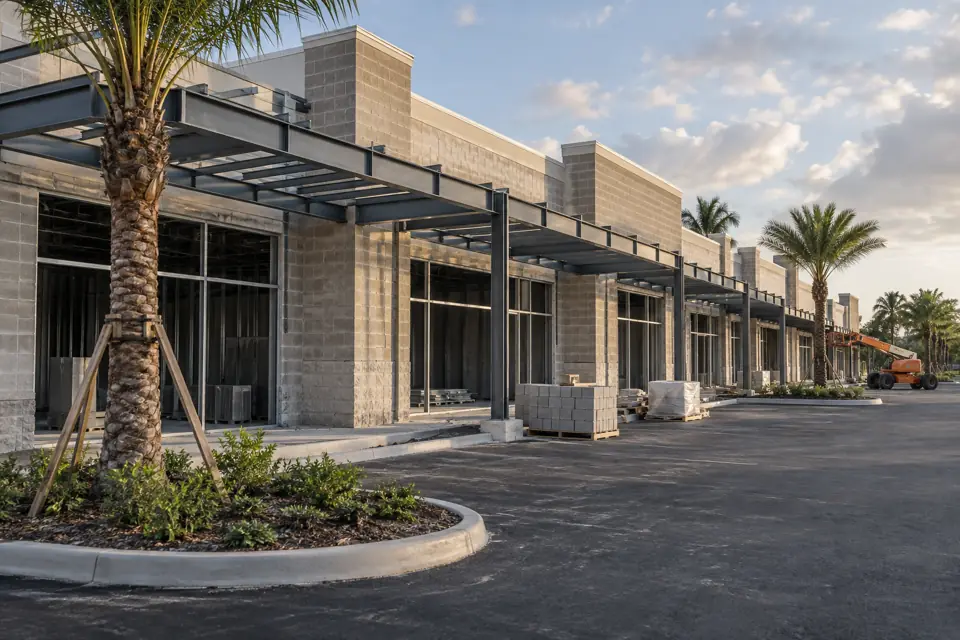
Retail & Shopping Centers
Strip centers, outparcels and storefront build-outs with phasing that keeps neighbors open.
Your Commercial Project, Your Delivery Method
How you contract the job shapes cost, schedule and risk as much as who builds it. Tell us which route you prefer, or ask an advisor which one fits.
General Contracting (Design-Bid-Build)
Your architect completes the drawings, builders bid them, and you sign with one general contractor. Clear scope and price competition.
Compare delivery methodsConstruction Management at Risk
A construction manager joins during design, advises on cost, then commits to a guaranteed maximum price.
How CM at risk worksDesign-Build
One firm handles design and construction under a single contract, often with a shorter schedule.
Find design-build firmsPre-Engineered Metal Buildings
Factory-engineered steel frames for warehouses, shops and flex space, erected quickly on site.
Metal building contractorsKnow Your Commercial Construction Cost Range Before You Call a Builder
Owners who arrive with a realistic budget range get better bids and fewer surprises. Our commercial construction cost per square foot guide walks through each cost driver: structure, mechanical and electrical systems, finish level, site work, permits and fees, and the local labor market.
Use it to set a working number, then let matched builders price your actual drawings.
Compare Commercial Builders – Free
How We Vet Commercial Builders Before Any Introduction
A website listing is not a license. Before a builder is introduced to a project owner, we check five things. Read the full vetting process.
- Active contractor licenseChecked against the state licensing board for the class of work, for example the Florida DBPR license search.
- Current insuranceGeneral liability and workers' compensation certificates on file before any introduction.
- Bonding capacitySingle-job and aggregate bonding limits that cover your contract value.
- Comparable project historyCompleted projects of the same type and a similar size, with owner references.
- Public safety recordA search of OSHA's public inspection records for the company.
seasonally adjusted annual rate of U.S. private nonresidential construction spending in August 2026.
Source: U.S. Census Bureau, Construction Spending releaseWith that much private commercial work underway, good builders stay busy. Matching early gets your project in front of them before their schedules fill.
Reliable, Licensed and Fairly Bid Commercial Construction
Licensed Commercial General Contractors You Can Verify
Every license we rely on is public. We give you the license number of each matched builder so you can check it yourself at the state board before you sign anything.
Commercial Building Contractors for Ground-Up Projects
New buildings need a contractor who can manage site work, foundations, structure and inspections in sequence. We match ground-up work with builders who have done it at your scale.
Commercial Remodeling Contractors for Occupied Buildings
Renovating a building that stays open means phasing, after-hours work, dust control and safe paths for tenants. Builders we match for these jobs plan around your operations.
Commercial Construction Companies Matched by Budget and Size
A small builder can be the right fit for a suite build-out and the wrong one for a new mid-rise. We match on contract size so you hear from firms that want your job.
Local Commercial Builders Who Know Your Permit Office
Local experience matters in commercial work, from wind-load rules in South Florida to local fire marshal reviews. We favor builders who work in your city every week.
Find Commercial Builders Near You, Free and Without Obligation
Get matched with licensed commercial contractors for your project type and location.
Built for Commercial Contractors and the People Who Work for Them
This site is also written for the trade. We publish articles on jobsite culture, careers, safety, estimating and running a contracting business, and we introduce qualified project owners to builders in our network.
- Introductions matched to your license, sectors and service area
- A limited number of builders per market and project type
- Guides and news written for builders, estimators and project managers
Useful Information Before You Hire a Commercial Contractor
- Commercial construction cost per square foot
- How to choose a commercial contractor
- The commercial construction process, step by step
- Design-build vs design-bid-build
- Tenant improvement allowance guide
- Commercial building permits explained
- Commercial builders by location
- How we vet commercial builders
- Commercial project planning checklist
- Commercial construction FAQ
Frequently Asked Questions About Commercial Builders and Contractors
Using Our Service
What does Commercial Builders & Contractors do?
We match property owners, developers, business tenants and facility managers with independent, licensed commercial builders and contractors. You describe the project once, we check which builders in our network fit the project type, size and location, and we introduce you to them so you can compare bids. We are a matching service. We do not build anything ourselves and we never hold your money.
Is the commercial contractor matching service really free?
Yes. Project owners pay nothing to use the site, request bids or speak with a project advisor. Builders in our network may pay us for introductions, which is how the site is funded. That arrangement never changes what you pay a builder, and you are under no obligation to hire anyone we introduce.
How many commercial builders will contact me?
We aim to introduce a short list rather than flood your phone. Most owners want enough bids to compare scope and price without spending weeks in meetings, so we keep the list focused on builders whose licensing, project history and bonding capacity actually fit your job.
What information do you need to match my project?
Start with the project type and the ZIP code of the property. After that we ask about size, timeline, budget range and where you are in the process (land or lease secured, drawings started, permits filed). The more you share, the better the match, but you can stop after the first step and call us instead.
Who sees my contact details?
Only the builders we match to your project and our own team. We do not sell your details to list brokers. Read our Privacy Policy for the full detail, or use the Do Not Sell or Share page to opt out of any sharing.
Do you work with general contractors only, or specialty trades too?
Both. Most owners start with a general contractor or design-build firm that manages the whole job. If you need one scope only, such as a roof replacement, storefront glazing, a commercial kitchen hood or a parking lot, we can match you with a licensed specialty contractor instead.
Choosing a Commercial Contractor
How do I choose the right commercial builder for my project?
Look for four things before price: a license that covers your building type, recent projects similar to yours in size and use, insurance and bonding that match the contract value, and a project manager you will actually work with. Ask for two or three owner references from jobs finished in the last few years and call them. Our guide on how to choose a commercial contractor lists the questions to ask.
What is the difference between a commercial builder and a general contractor?
In everyday use the terms overlap. A general contractor holds the prime contract with the owner, hires and coordinates subcontractors and is responsible for the finished work. “Commercial builder” is a broader marketing term that can describe a general contractor, a design-build firm or a developer that builds its own projects. What matters is the license class and the contract you sign.
Should I hire a local commercial contractor or a regional firm?
Local builders usually know the permit office, inspectors and subcontractor market, which helps on small and mid-size jobs. Regional firms bring larger bonding capacity and in-house staff for complex buildings. Many owners invite one of each to bid so they can compare how each one plans to staff the job.
What questions should I ask a commercial contractor before signing?
Ask who the project manager and superintendent will be, how they price change orders, what is excluded from the bid, how they handle permit delays, which trades they self-perform, how often they will update the schedule and what their warranty covers. Ask to see a sample pay application and a sample schedule from a past project.
How do I compare commercial construction bids fairly?
Put every bid on the same scope first. Line up inclusions, exclusions, allowances and alternates side by side, then compare general conditions, fee and contingency separately. A low bid that excludes site work or permit fees is not cheaper. Ask each bidder to explain any line that is far from the others.
What are warning signs when hiring a commercial builder?
Be careful with a builder who asks for a large deposit before mobilizing, cannot show a current license or certificate of insurance, wants to pull the permit under someone else’s license, offers a price far below every other bid without explaining why, or will not put scope and schedule in writing.
Licensing, Insurance and Bonds
Do commercial contractors need a license?
In most states, yes, although the rules differ. In Florida, commercial general contractors are certified by the Construction Industry Licensing Board under Chapter 489, Florida Statutes, and you can check any license on the DBPR license search. Some states, Texas for example, have no statewide general contractor license and leave registration to cities, while still licensing trades such as electrical and plumbing.
What is the difference between a Florida general contractor and building contractor license?
Under Section 489.105, Florida Statutes, a certified general contractor may work on any type of building. A certified building contractor is limited to commercial buildings and residential buildings that do not exceed three stories in height. For a mid-rise office or hotel, ask for a general contractor license number.
What insurance should a commercial contractor carry?
At minimum, commercial general liability, workers’ compensation for their employees, commercial auto and usually an umbrella policy. Ask for a certificate of insurance that names you as additional insured and confirm the limits meet your lender’s or landlord’s requirements. Builder’s risk coverage for the structure during construction is bought by either the owner or the contractor, so agree in writing who carries it.
What is a performance bond and do I need one?
A performance bond is a guarantee from a surety that the job will be finished if the contractor defaults. A payment bond guarantees that subcontractors and suppliers get paid, which protects you from liens. Public projects require them by law, under the federal Miller Act and state statutes such as Section 255.05, Florida Statutes. On private jobs they are optional but common when a lender requires them.
What is bonding capacity and why does it matter?
Bonding capacity is the size of contract a surety will back for a given contractor, based on that contractor’s finances and track record. If your project is larger than a builder’s single-job bonding limit, they may not be able to bond it, even if they could build it. We match on this so you do not lose weeks with a builder who cannot qualify.
How do I check a contractor's safety record?
Ask for their written safety program and recent incident history, then search the contractor’s name in OSHA’s public establishment search. Fall protection is the standard OSHA cites most often in construction according to the agency’s own Top 10 list, so ask how the builder manages work at height.
Cost and Budget
How much does commercial construction cost per square foot?
It depends on building type, structure, finish level, site work and the local labor market. A shell warehouse and a medical office building of the same size can differ several times over in cost. Our commercial construction cost per square foot guide breaks down each cost driver and lists published sources, so you can build a realistic range before you request bids.
What drives the cost of a commercial build-out?
The biggest drivers are mechanical, electrical and plumbing work, the number of rooms and walls, ceiling and lighting choices, restroom count, and any specialty systems such as kitchen exhaust, medical gas or clean rooms. Whether the space is a cold shell or a second-generation space with usable systems also changes the budget a great deal.
How much contingency should I carry on a commercial project?
Owners usually carry a separate contingency outside the contractor’s price for unknown site conditions, design changes and owner-driven scope. The right amount depends on how complete the drawings are and whether you are renovating an existing building, where hidden conditions are more likely. Ask your builder and architect to recommend a figure for your specific project.
What are general conditions in a construction bid?
General conditions are the contractor’s job-site costs that are not part of a specific trade: the superintendent and project manager, temporary power and water, dumpsters, site security, temporary toilets, insurance and similar items. Comparing general conditions across bids shows how each builder plans to staff and run the job.
Can I get financing for a commercial construction project?
Most owners use a construction loan from a bank or credit union that converts to a permanent mortgage, and owner-occupied businesses may qualify for SBA 504 or 7(a) programs through the U.S. Small Business Administration. Lenders will want a signed contract, a schedule of values and often a payment and performance bond, so bring your builder into the conversation early.
Contracts and Delivery Methods
What is design-build and when does it make sense?
In design-build, one company holds a single contract for both design and construction. It can shorten the schedule because construction planning starts while the design is still developing, and you have one party responsible for both. It suits owners who want speed and a single point of responsibility. Compare it with the traditional route in our design-build vs design-bid-build guide.
What is construction management at risk?
Under construction management at risk, the owner hires a construction manager early in design to advise on cost and constructability. Once the drawings are far enough along, the construction manager commits to a guaranteed maximum price and takes on the risk of delivering within it, then bids the work out to subcontractors.
Lump sum, cost plus or guaranteed maximum price: which contract is best?
A lump sum (stipulated sum) contract fixes the price for a defined scope and suits complete drawings. Cost plus a fee pays actual cost plus a markup and suits uncertain scope, but needs close cost tracking. A guaranteed maximum price caps your cost while sharing savings. The AIA publishes standard forms for each, such as A101 for stipulated sum and A102 for cost plus a fee with a guaranteed maximum price.
What is a change order?
A change order is a signed amendment that changes the contract’s scope, price or time. Good contracts say how change orders are priced, including markup on subcontractor work, and require written approval before the extra work starts. Ask each bidder how they handled change orders on their last three jobs.
What is retainage?
Retainage is a share of each progress payment that the owner holds back until the work is complete, as protection against unfinished or defective work. The percentage is set in the contract and, on public work, by statute. Agree in advance when retainage will be released, often at substantial completion and the remainder at final completion.
Permits, Codes and Liens
Who pulls the building permit on a commercial project?
The licensed contractor of record normally applies for the permit and is responsible to the building department for the work. Never let a builder pull a permit under another company’s license. Your architect or engineer prepares the sealed drawings that go with the application.
How long do commercial building permits take?
Review times vary by city, project size and how complete the drawings are, and they change through the year. Ask your builder for the current review times at your local building department and build them into the schedule. Our commercial building permits guide explains each stage of review.
Are there special building rules in Miami-Dade and Broward?
Yes. Miami-Dade and Broward counties are in the High-Velocity Hurricane Zone defined by the Florida Building Code, which sets stricter rules for wind loads, roofing and openings. Windows, doors, shutters and roofing products generally need a Miami-Dade Notice of Acceptance or equivalent approval, which affects product choice, lead time and cost.
How do I protect my property from construction liens?
In Florida, the Construction Lien Law in Chapter 713, Florida Statutes, lets unpaid subcontractors and suppliers lien your property even if you paid the general contractor. Record a Notice of Commencement, track the notices to owner you receive, and collect lien waivers with every payment. A payment bond gives the strongest protection.
Schedule and Process
What are the stages of a commercial construction project?
Most projects move through feasibility and budgeting, design, permitting, bidding or negotiation, preconstruction, construction, inspections and certificate of occupancy, then closeout and warranty. Our commercial construction process guide explains who does what at each stage and where owners lose time.
When should I bring a contractor into my project?
Earlier than most owners think. A builder involved during design can price options while they are still cheap to change, flag long-lead items and check that the design fits your budget. Design-build and construction management contracts are built around this early involvement.
What is substantial completion?
Substantial completion is the point at which the building or space can be used for its intended purpose, even if minor punch list items remain. It usually starts warranty periods, shifts insurance and utility responsibility to the owner and triggers release of part of the retainage, so the contract should define it clearly.
What should a commercial construction warranty cover?
Expect a general contractor warranty on workmanship for a set period after substantial completion, plus manufacturer warranties on roofing, mechanical equipment and other systems. Ask for the closeout package in writing: warranties, operation and maintenance manuals, as-built drawings and attic stock.
Specialty Projects
Do you match tenant improvement and build-out projects?
Yes. Tenant improvements are one of the most common requests we see, from office suites to retail and restaurant spaces. Before you sign a lease, ask a builder to walk the space so you know what the tenant improvement allowance will and will not cover. See our tenant improvement allowance guide.
Can you find builders for medical and healthcare facilities?
Yes. Medical offices, dental clinics, urgent care and outpatient surgery centers need builders who know infection control during construction, medical gas, radiation shielding and healthcare code requirements. We match these projects only with builders who can show completed healthcare work.
Do you work with restaurant build-out contractors?
Yes. Restaurant projects involve kitchen exhaust hoods, grease ducts, fire suppression, grease interceptors and health department approval on top of the normal building permit. A builder with restaurant experience will plan those inspections into the schedule from the start.
Can you match warehouse, industrial and metal building projects?
Yes. Warehouses, flex space, light industrial and pre-engineered metal buildings are a large share of commercial construction. Builders in this space differ in their experience with tilt-up concrete, steel erection, dock equipment and large site work, so we match on the structure type you plan to use.
For Contractors
I am a commercial contractor. How do I join the network?
Apply on our For Contractors page. We review your license, insurance, bonding, project history and service area before you receive any introductions, and we limit the number of builders per market and project type so leads stay worth your time.
Do you publish news and resources for people who work in construction?
Yes. Alongside guides for owners, we publish articles on jobsite culture, careers, safety, estimating and the business of running a contracting company. Browse the latest on our blog.
Start Your Commercial Project With the Right Builder
Licensed, insured, matched to your project. Free for project owners.
How This Website Works
Commercial Builders & Contractors is an independent matching and information service. We are not a licensed contractor, we do not perform construction work, and we do not enter into construction contracts. Builders in our network are independent businesses that hold their own licenses and insurance. Some of them pay us for introductions, which never changes what you pay. Always confirm a builder’s license with your state licensing board before signing a contract. Read the purpose of this website.